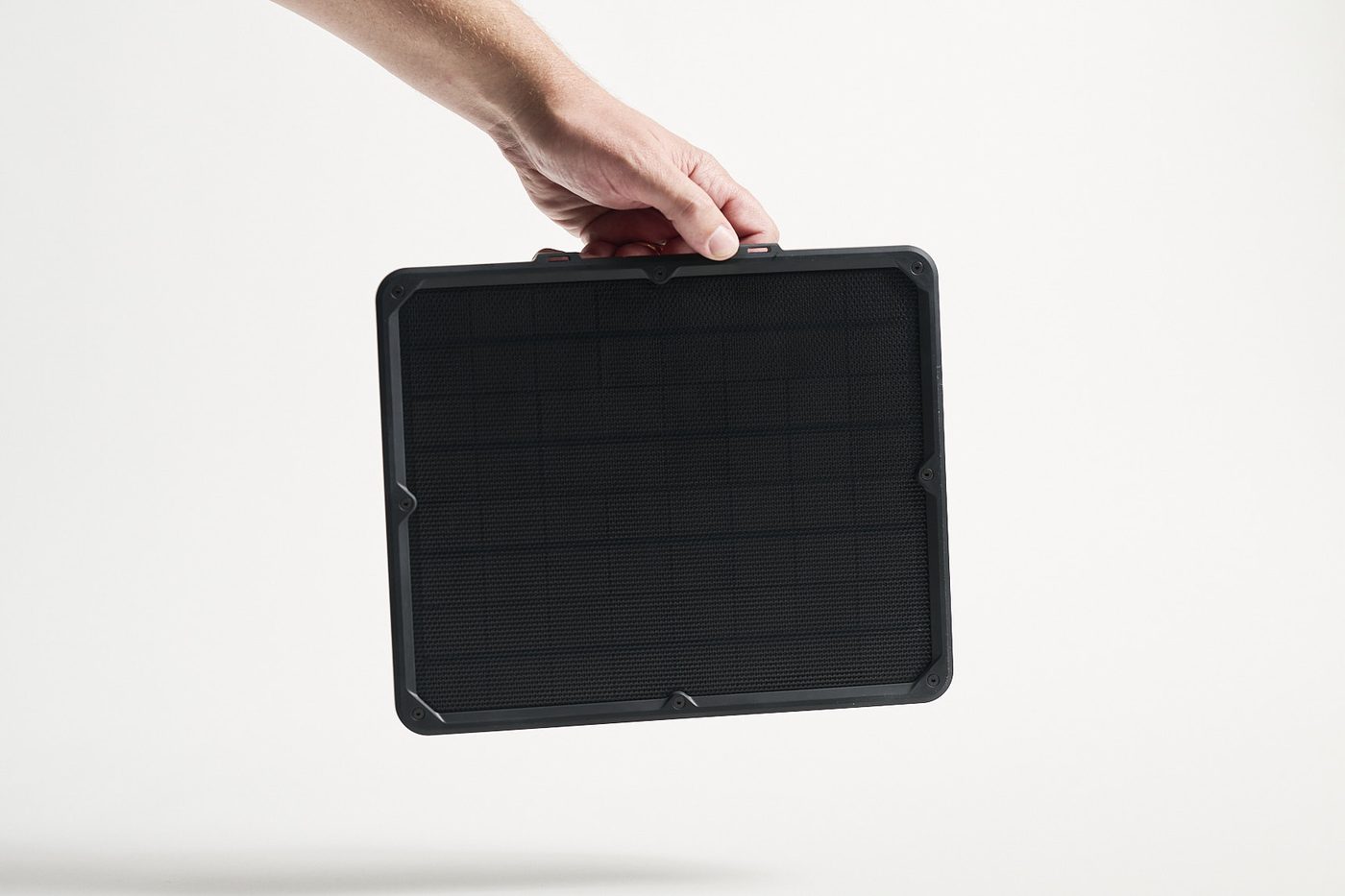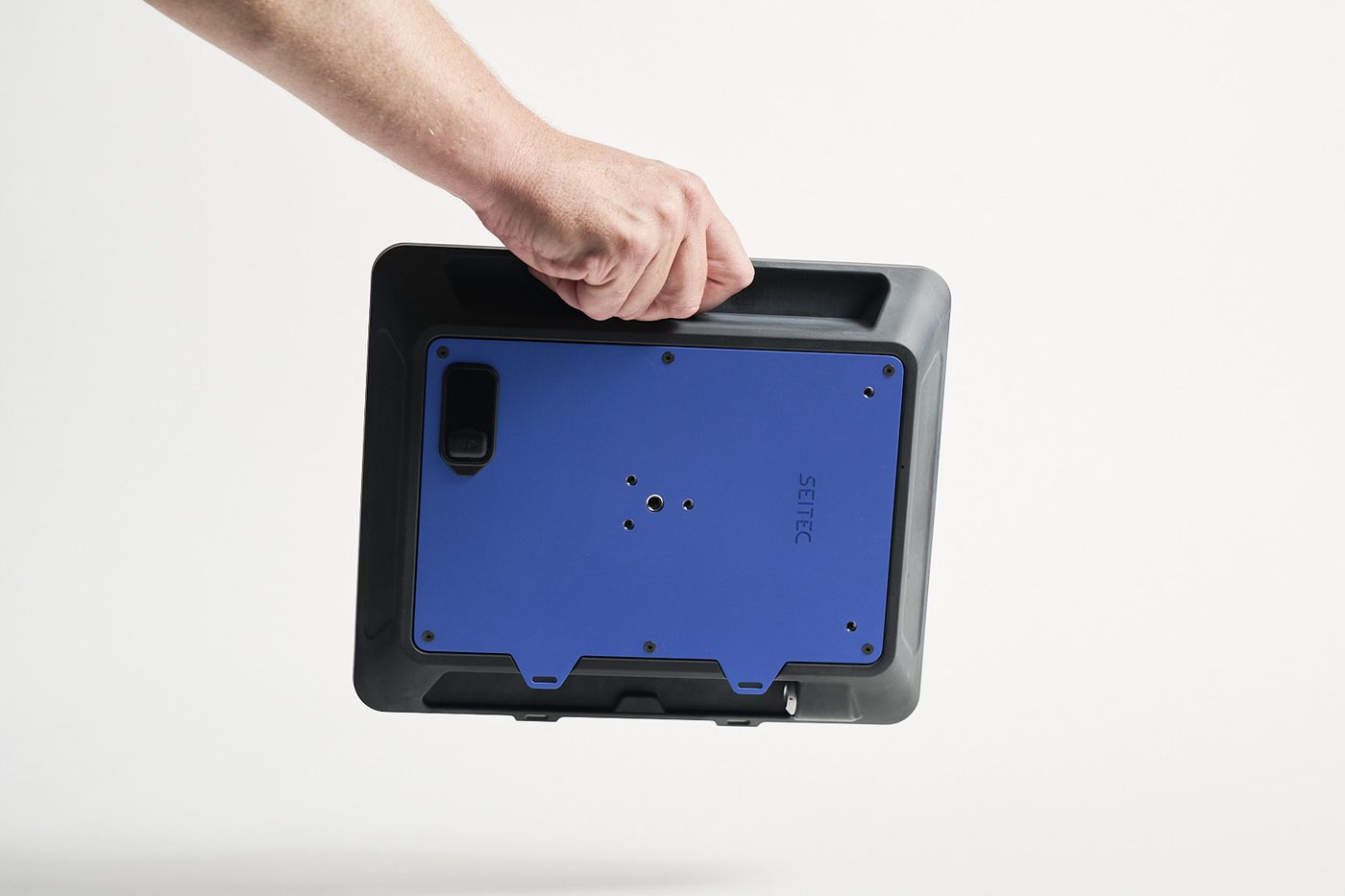
Nightingale
Deployable seismic sensing
One passive sensor network, one Edge-AI core, three detection channels. Nightingale reads seismic waves the way a leaf on water reads ripples — turning ground movement into real-time detection and tracking, without needing line of sight.
How it works
Every footstep leaves a wave
The Nightingale name comes from a security system used in feudal Japan: floorboards built to "chirp" like a nightingale bird whenever someone stepped on them, alerting guards to an intruder.
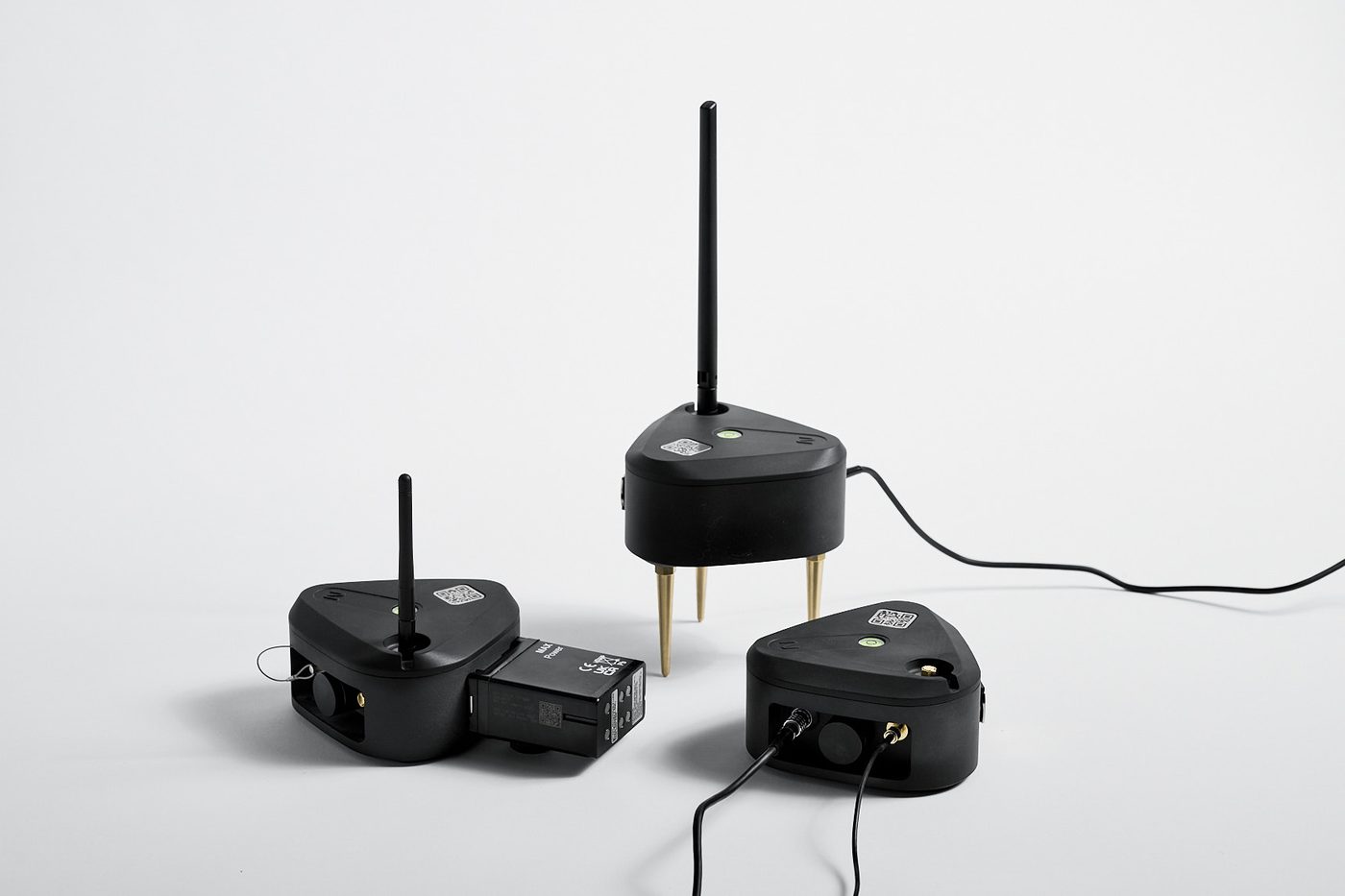
Modern Nightingale nodes work on the same principle. Movement — a footstep, a vehicle, an impact, a low-flying aircraft — generates seismic waves that ripple outward through the ground. Nightingale's sensors feel those ripples and its Edge-AI classifies what caused them, in near real time, unobstructed by walls, vegetation or terrain.
 NIGHTINGALE · CORE
People, vehicles & drones
What is it?
CORE is the original Nightingale capability: passive, ground-level detection and tracking. It's used indoors and outdoors, and isn't hindered by walls, barriers or other obstructions.
Who is it for?
Defence, prisons, aged care facilities, residential homeowners, high-security sites, construction sites and commercial buildings.
What can it target?
Any movement — from human and wildlife footsteps to vehicles and small UAVs. Detection capabilities keep expanding as our biometric research continues and as new client requirements come in.
Why it's needed
CORE gives security teams crucial data and target tracking in the blind spots that cameras and line-of-sight sensors can't cover.
NIGHTINGALE · AIR
Aircraft detection
What is it?
AIR extends the Nightingale sensor network upward. The same passive ground-sensing approach that tracks footsteps on CORE is tuned to pick up the seismic signature of aircraft moving through the area of interest.
Who is it for?
Defence and security teams who need passive awareness of aircraft activity over a site or range, as a complement to radar and visual observation.
What can it target?
Fixed-wing and rotary aircraft operating over or near a monitored area.
Why it's needed
A passive layer of aircraft awareness that keeps working where radar coverage is limited or line of sight is broken.
NIGHTINGALE · STRIKE
Ordnance & range safety
What is it?
STRIKE detects and locates ordnance on impact and determines whether it has failed to explode — near real-time bomb scoring and unexploded ordnance (UXO) detection for weapons range safety. It was invented for the military, by the military, and is built to be truly fit for purpose.
Who is it for?
Militaries that deploy ordnance onto weapons ranges, or more generally need to know exactly where ordnance has landed.
Capabilities
STRIKE locates where ordnance has impacted, determines whether it has exploded, and feeds that back to range control in near real time — covering vast areas with unimpeded monitoring, regardless of vegetation or infrastructure.
Why it's needed
STRIKE delivers significant reductions in cost, human resourcing and environmental impact, while vastly improving safety, training outcomes and productivity on the range.